
How Night Guards Can Help Save Your Teeth
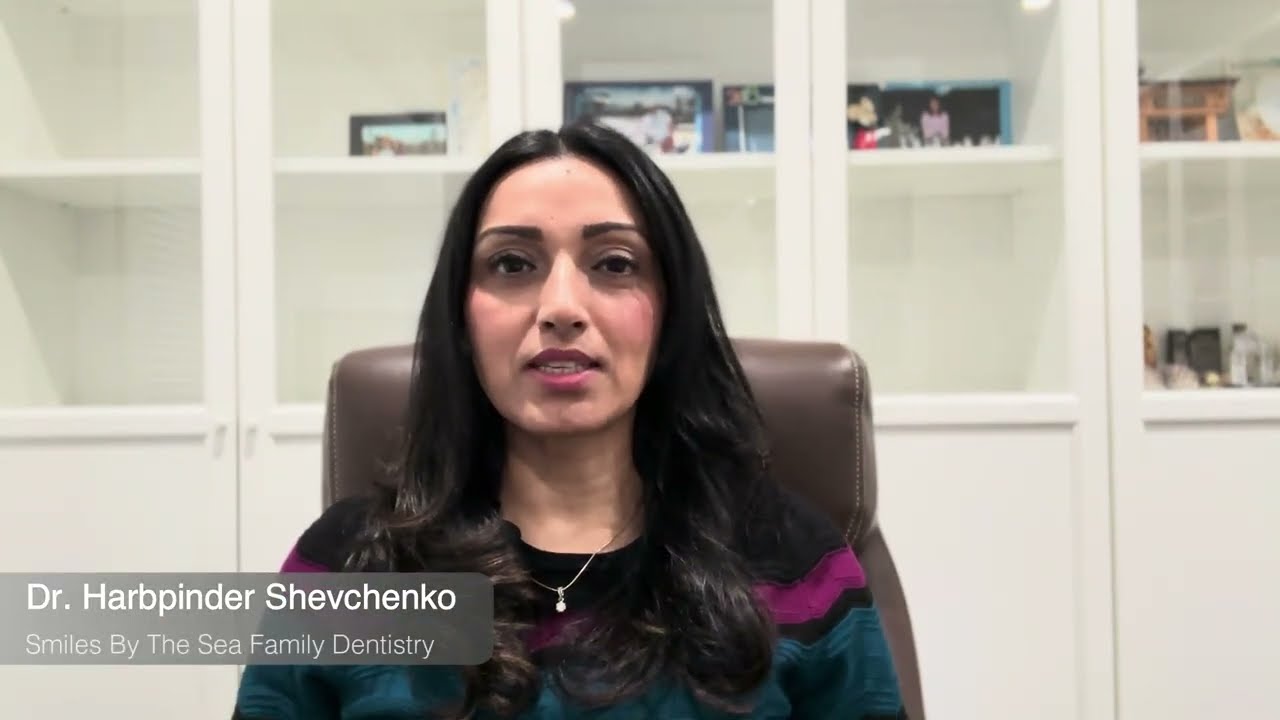
What is a night guard, and how does it help protect my teeth?
A night guard is a dental appliance that you wear most of the time at night only. It's a nighttime wear appliance that you wear on your teeth. It covers part of your teeth on the front and part of your teeth on the back. It helps protect your teeth, especially for patients who grind, a condition known as bruxism. It helps protect your teeth because it's a layer of material, preventing your tooth structure from going against your own tooth structure. It protects your teeth from rubbing force and friction, so you do not wear out your protective enamel.
What are some of the common reasons I might need a night guard?
Some common cases where a person will need a night guard include grinding or clenching their teeth, known as bruxism. Another reason is tight jaw muscles, leading to muscle tightness. Patients might also experience neck pain due to grinding and clenching their teeth overnight.
Additionally, some patients have pain in their TMJ, the temporomandibular joint. These scenarios often require night guards. Another scenario is when someone has extensive crown or bridge work. We provide a protective appliance to ensure clenching or grinding does not wear away the surfaces or break the crown and bridge work.
Can a night guard reduce clenching or grinding at night?
Yes, it reduces the effect—this is the main reason for wearing the guard: to minimize or eliminate the effect of grinding between the teeth surfaces. Over time, patients feel their jaw and muscles relax, and in many cases, we see a reduced amount of clenching or grinding.
Learn More About Teeth Grinding
What are the benefits of using a night guard for TMJ?
When someone has TMJ, temporomandibular joint pain is basically pain in your jaw joint. It could be on one side or both sides. Often, it's related to heavy musculature and muscle tightness, often caused by grinding or clenching. Wearing a night guard helps relax the muscles, reducing muscular activity and tightness, ultimately easing the pain and symptoms of TMJ.
Can a night guard help reduce sleep apnea and snoring?
A night guard made for bruxism or grinding your teeth will not help with snoring or sleep apnea. These require separate appliances, which can be similar but are designed differently depending on the severity of sleep apnea and snoring. These are separate appliances, not just a regular night guard for sleep apnea or snoring. Snoring guards are made differently and are shaped differently.
For sleep apnea, there are various appliances of different shapes and sizes, indicated for different conditions and severities, based on the patient's bite. It's not a night guard for bruxism but a different appliance.
What is the difference between a custom night guard and an over-the-counter night guard?
A custom night guard is made specifically for you, based on the shape and size of your teeth and how they connect. It is very precise and fits accurately because it is custom-made for your teeth. In contrast, a guard from online or over the counter lacks accuracy.
The biggest concern is how your teeth connect—your bite. An inaccurate fit can lead to more muscle tightness and pain. It's always recommended to wear a precise, well-fitted guard made for your teeth to avoid unwanted symptoms or conditions. Always get a custom guard for accuracy and precision of fit.
How do I know that I need a mouth guard?
Your dentist will determine if you need a mouth guard during an examination, looking for signs and symptoms in your mouth and teeth. They may ask questions and use clinical and radiographic findings, like X-rays.
Common indicators include worn protective enamel due to teeth rubbing with significant force, much greater than the force used when eating. This force can wear down enamel and cause teeth cracks. Dentists look for these signs during examinations to determine if you need a night guard. They may also ask about your sleep and examine your muscles to determine the need for a night guard. If untreated, clenching or grinding can lead to cavities and tooth damage.
How do I properly clean a night guard?
Cleaning your night guard is simple. Use soap and water with a toothbrush. I recommend a separate manual toothbrush for cleaning. Make a soapy solution, brush, rinse thoroughly under lukewarm water, and store in its case. Most cases have air holes for drying. Avoid denture-cleansing tablets as they can damage the material.
You can also use ultrasonic cleaning devices available online. Clean your night guard daily and bring it to your dental visits for professional cleaning.
How often should a night guard be replaced?
Replacement varies by patient, depending on grinding habits. Some wear out their night guards in 3-5 years, others in 10 years. During maintenance visits, have your night guard evaluated for internal and external surface damage, cracks, or excessive scratches. Regular evaluation ensures it remains effective and hygienic. Replacement depends on individual wear and tear.
Can children or teens use night guards for clenching or grinding?
Yes, children and teens may need night guards. In younger children, grinding can indicate underlying issues like enlarged tonsils or nasal obstructions. It's important to have a pediatrician evaluate their airway. In teens, ensure proper mouth and jaw growth and check for structural obstructions. If needed, they can use night guards.
What should I do if my night guard does not fit properly or is causing me discomfort?
If your night guard doesn't fit properly or causes discomfort, contact your dentist for an evaluation. There may be issues with your bite or the fit. Your dentist can recommend adjustments or solutions. Do not continue wearing a poorly fitting guard; ensure it is comfortable and effective for restful sleep.
How can I make an appointment for a night guard consultation?
If you’re ready to schedule an exam or would like to learn more about our services, we’d love to hear from you. Call us at (603) 634-9445 or email [email protected]. We look forward to caring for your smile.