
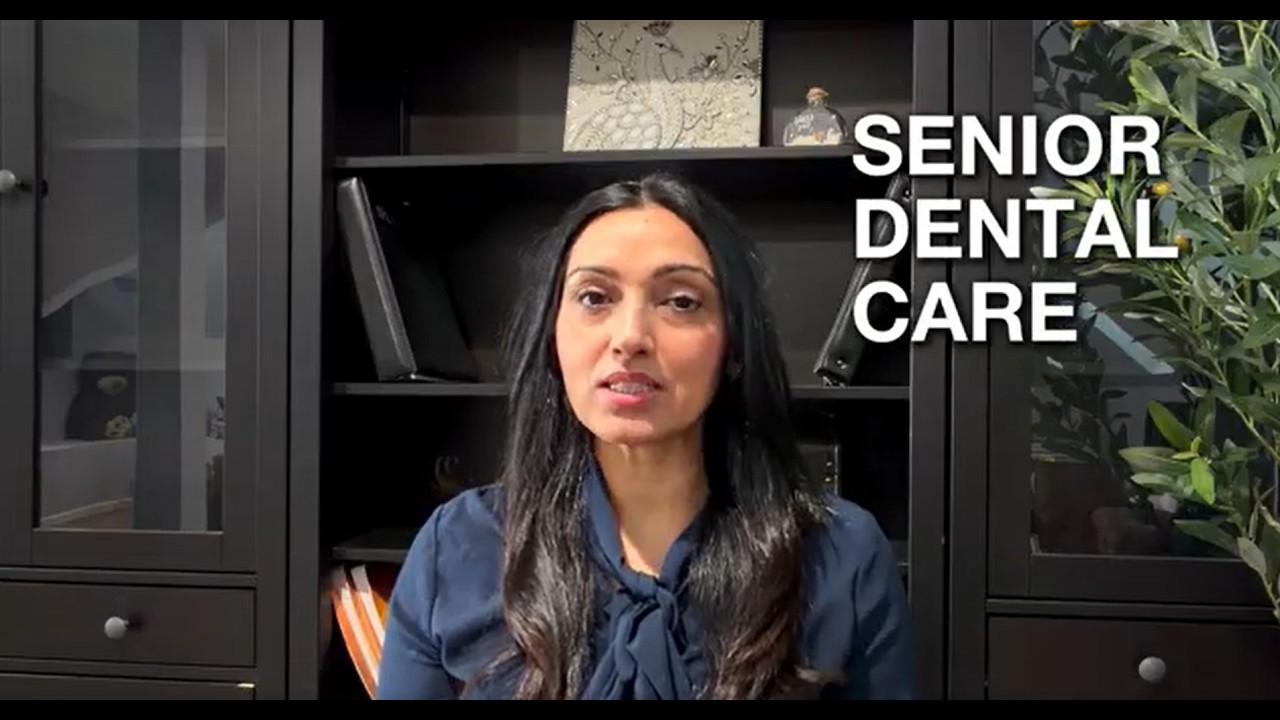
What is senior dental care and how does it differ from routine dental care?
They're both very similar, but when it comes to senior dental care, consider it a more elevated level. As we get older, our body changes, and sometimes we experience different health problems that may require us to take medications regularly. I've seen seniors taking anywhere from one to as many as 20 medications daily. These medications have various effects on our body, including our mouth and oral cavity.
Depending on what medications are taken and the health conditions a senior might have, the level of dental care required to keep their gums, teeth, and oral cavity healthy is more focused and elevated compared to a healthy teenager or young adult without systemic conditions.
What common dental or oral challenges do seniors face as they age?
A few challenges include dry mouth, often due to medications or health conditions, which makes seniors more prone to cavities. Saliva acts as a natural agent to wash off bacteria and bugs that stick to our teeth. With dry mouth, these bacteria remain on the teeth longer, leading to cavity formation and gum inflammation.
Seniors might have existing crown work, bridge work, or fillings, and the increased cavities can necessitate replacement work or even tooth extraction, leading to further dental procedures. It's a snowball effect where one issue leads to another.
What kind of dental procedures are most common in senior patients?
Common procedures among senior patients include dental implants, bridges, or dentures. Prevention is key, achieved through routine preventative care based on health history and current medications. Regular cleanings every six months, three months, or four months, depending on individual needs, are important. Fluoride applications are a preventative process to protect teeth and prevent cavities, which can lead to tooth loss, necessitating implants, crown work, or dentures.
What should seniors and their caregivers know when exploring dental insurance?
Dental insurance is essentially a dental benefit providing a certain amount of money for needs, which may not cover everything. When buying a plan, especially as a caregiver helping a senior, keep in mind the annual maximum amount provided. It's not unlimited and varies from plan to plan.
Questions to ask include what services are covered, such as regular cleanings, crowns, or dentures, and what percentage those procedures are paid at. Understanding these details is crucial when selecting a plan for a loved one.
What should patients consider when looking for a dentist for senior citizens?
Consider whether the dentist and their team, including hygienists and specialists, are well-versed and trained in diagnosing and treating conditions common in seniors. They should educate on preventative tools to help avoid future issues. Diagnosing, treating, and preventing conditions are key, along with providing options to reduce future risks.
Are there any senior-specific programs to help them afford their dental treatment?
Yes, several options are available. Some programs are offered within our practice, and there are also third-party financing companies that assist seniors in affording dental treatments and maintaining their health.
Do you have advice for seniors to help them plan long-term dental health?
The biggest advice is to focus on prevention. Seek care routinely and utilize diagnostic technology to prevent issues early. Regular dental checkups and cleanings are vital to diagnosing and preventing problems before they become extensive and expensive.
For high-risk individuals, due to medications or health conditions, use available programs and treatments, like fluoride applications, at home or in-office. Prioritize prevention and routine care.
Your dental health matters to us, and we’re here to support you every step of the way. If you’re looking for expert dental care near Hampton, NH, call (603) 634-9445 or email [email protected] to learn more. Ready to get started? Schedule your appointment below.