
What is restorative dentistry?
Restorative dentistry focuses on repairing or replacing tooth structure that has been damaged or lost due to cavities, fractures, or other dental conditions. The goal is to restore the health and function of your teeth while also improving their appearance when needed.
What is the difference between restorative and cosmetic dentistry?
Restorative and cosmetic dentistry are closely related, but they have different primary goals. Restorative dentistry focuses on restoring the function and health of your teeth, while cosmetic dentistry primarily focuses on improving the appearance of your smile.
Cosmetic dentistry may involve changing the color, shape, size, or overall appearance of your teeth. However, some cosmetic treatments can also provide restorative benefits. Both approaches can work together to improve the health, function, and appearance of your smile.
What conditions require restorative dentistry?
There are many conditions that may require restorative dentistry, including broken or chipped teeth, large cavities, dental infections, missing teeth, and teeth that have become worn down over time.
For smaller areas of decay or damage, we may recommend a dental filling to restore the affected tooth structure. If a significant portion of the tooth has been lost, a dental crown may be needed. Think of a crown like a helmet that covers and protects the visible portion of your tooth while restoring its function.
If you're missing teeth, we may recommend a dental bridge or dental implant restoration to replace them and restore your ability to chew.
When a tooth has an infection involving the pulp, root canal treatment may be necessary to remove the infected tissue and preserve the natural tooth. Depending on the condition of the tooth, a crown may also be recommended afterward.
In some cases, treatments such as veneers can address chipped or damaged teeth while also improving the appearance of your smile.
Is anesthesia or sedation required for restorative dentistry?
It depends on the type of procedure being performed. Many restorative treatments require local anesthesia to keep you comfortable, but there are situations where numbing may not be necessary.
For example, if you have a small chip on a tooth and we're using tooth-colored composite resin to repair it, we may be able to complete the procedure without anesthesia, particularly if the tooth isn't sensitive.
For more involved procedures, local anesthesia is commonly used to prevent discomfort during treatment.
Sedation may also be an option for patients who experience significant dental anxiety or prefer additional comfort measures. The appropriate approach depends on the procedure, your medical history, and your individual needs.
What are the benefits of restorative dentistry?
One of the biggest benefits of restorative dentistry is preserving your natural teeth whenever possible.
By treating a cavity with a filling or protecting a weakened tooth with a crown, we may be able to prevent additional damage and avoid more extensive treatment later.
Restorative dentistry can also replace missing teeth with bridges or implant-supported restorations, helping restore chewing function and the appearance of your smile.
With modern dental materials and techniques, we can often restore damaged teeth while preserving as much healthy tooth structure as possible. Our goal is to help you maintain your natural teeth and support your long-term oral health.
Are there any risks associated with restorative dental procedures?
Restorative dental procedures are commonly performed and generally have favorable outcomes, but there are potential risks depending on the treatment and condition of the tooth.
Some patients may experience temporary sensitivity, tenderness, or discomfort after a filling, crown, or another restorative procedure. In certain situations, additional treatment may be necessary if the tooth develops complications or doesn't respond as expected.
Modern dental techniques and materials help us manage these risks, but it's important to evaluate each tooth carefully and discuss what to expect before treatment.
Identifying dental problems early can also help us recommend more conservative treatment options before the damage becomes extensive.
How long does it take to recover from a restorative dental procedure?
Recovery depends on the type of restorative procedure performed. Many treatments require little or no recovery time.
For example, if we're repairing a small chip with composite resin and don't need to use anesthesia, you may be able to return to your normal activities immediately afterward.
For procedures involving local anesthesia, you may need to wait until the numbness wears off before eating. Some temporary sensitivity or soreness may also occur, particularly after more extensive treatment.
We'll provide specific instructions based on your procedure so you understand what to expect during recovery.
What is the success rate of restorative dental procedures?
Restorative dental procedures generally have high success rates, although the outcome depends on the type of treatment, the condition of the tooth, and several individual factors.
In our office, we've seen very favorable results with restorative treatments. However, complications can sometimes occur, particularly when a restoration becomes damaged or new decay develops around it.
Good oral hygiene and following your dentist's aftercare instructions are important for maintaining your restorations. Brushing, flossing, attending regular dental visits, and addressing habits that place excessive pressure on your teeth can all help support long-term success.
If you’re searching for quality dental care, we’re here to help. Call (603) 634-9445 or email [email protected] to schedule your visit. Our team is committed to keeping your smile healthy.
Custom-Made Solutions for Cavities & Broken Teeth
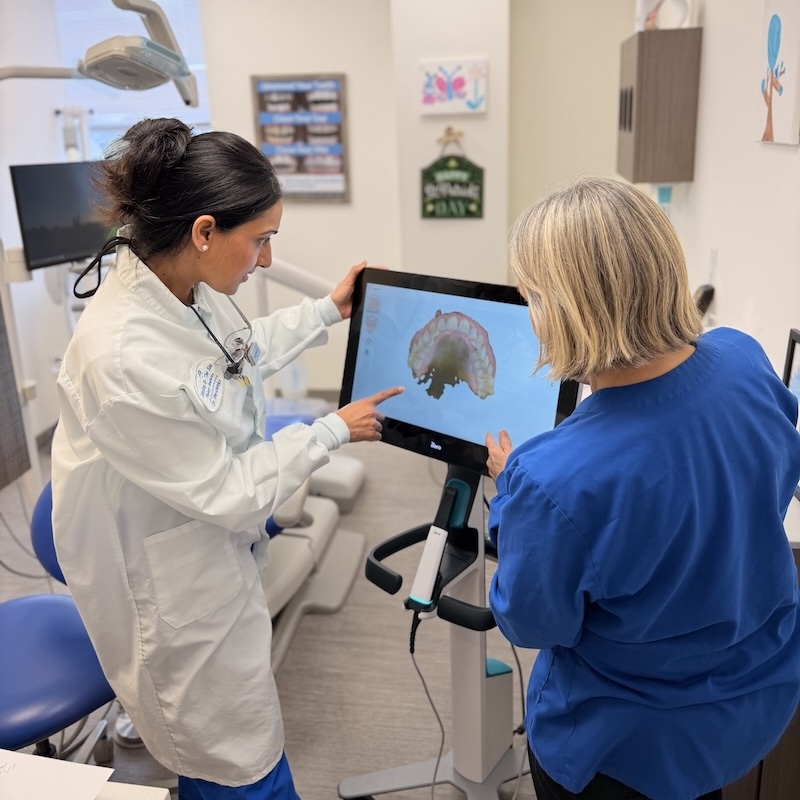
There are plenty of events that can leave a tooth looking and feeling far from its best, including decay, physical trauma, and even natural wear and tear, all of which can cause pain and make someone feel less than thrilled about their smile. If any of these problems sound familiar, Dr. Shevchenko can provide the repair you need using restorative dentistry. Utilizing the latest techniques, tools, and materials, any issue you might be dealing with can be taken care of in just one or two appointments. If you’re ready to finally fix your teeth, contact Smiles by the Sea Family Dentistry today.
Why Choose Smiles By The Sea Family Dentistry for Restorative Dentistry?
- Restorations specially-made for each patient
- Natural-looking porcelain restorations available
- Highly-skilled & compassionate dentist
What if I Do Nothing?
While minor dental damage might seem easy to ignore, your teeth can’t actually heal themselves, so a small problem will inevitably become a large one. Minor decay will turn into a sizeable cavity, and a crack in the enamel can eventually cause a tooth to fracture altogether. Basically, repairing a tooth as soon as possible is much better for both your health and your wallet than waiting for something to seriously go wrong.
Dental Crowns
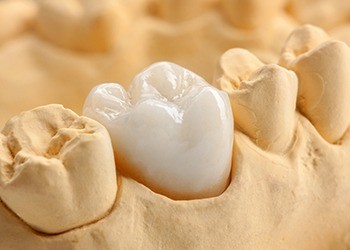
Dental crowns are literally the king of restorative dentistry, as they can be used to not only repair cavities but chipped and broken teeth as well. Dr. Shevchenko can even enhance the appearance of a cosmetically imperfect tooth using a custom-made crown. They are designed to fit right over a natural tooth and fully restore their strength and appearance at the same time. How long does it take to get one? Just two quick appointments and it can easily last for multiple decades afterward.
Tooth-Colored Fillings
Traditional fillings have a metallic appearance and can make a tooth more sensitive to hot and cold temperatures, which is why we only repair cavities using tooth-colored fillings. Made of a composite resin, they can be shaded to perfectly blend with any patient’s enamel, and being metal-free, they don’t increase dental sensitivity in a significant way. The malleable nature of the resin allows Dr. Shevchenko to place smaller and more conservative fillings as well, better preserving the natural strength of a tooth.